Most of us don’t spend much time thinking about where we’ll find clean water, but one-third of the world does not have access to safe drinking water.
The ability to drink clean water impacts many aspects of life in developing countries. Here are five unexpected ways clean water can change lives:
- Water can help impoverished and underserved communities break free from exploitation. Many villages and tribes rely on upper class citizens for their access to clean water. As a result, they often fall victim to abuse and exploitation. They are charged monumental amounts of money or are required to serve as domestic servants in exchange for access to a reliable water source. When a water source is freely available to the community, that avenue of exploitation is cut off.
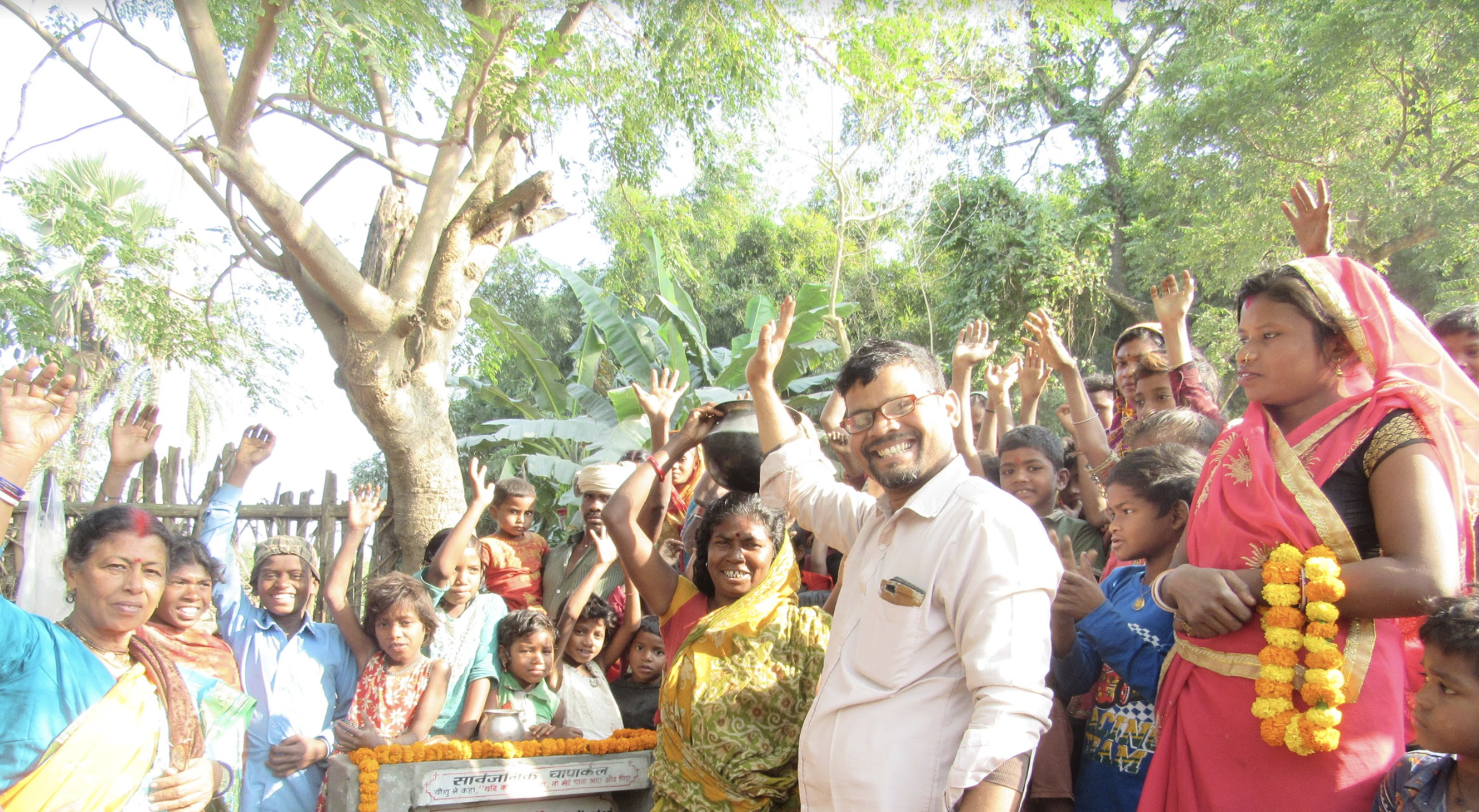
- Access to clean water can open gospel doors. Water projects naturally lead to conversations about the Living Water. Meeting a hurting community’s physical needs is an illustration of Christ’s love that makes people receptive to the hope that Jesus offers.
- Safe drinking water can eradicate widespread diseases. Often, a village’s contagious illnesses come from a polluted, shared water source. Whether it is eating an animal who has consumed contaminated water or drinking the water themselves, consuming dirty water can bring an entire community down—impacting their ability to survive, provide for their families and attend school. Clean water keeps everyone in the community—from the leaders to the children—healthy.
- Clean water can help children go back to school. Often in rural areas, children have to help with the daily tasks required to survive. This includes fetching water from long distances, so the family has a daily water supply. Because of the treks that these children must regularly make to communal water wells, they cannot attend school consistently. Gaining access to a safe water source enables these children to return to school where they can get an education and break the cycle of poverty.
- Nearby water sources can prevent theft and abuse. Because men are commonly in the fields or working as day laborers in communities without access to clean water, many times the task of fetching water is left to the women. Because this is widely known, these women are often assaulted on their way to and from the distant water source. Having a water source that is readily accessible saves women from making these dangerous journeys and risking their lives and wellbeing for clean water.
Your gifts to Send Relief make it possible for vulnerable people across the globe to gain access to the fresh drinking water they so desperately need. Your generosity is saving lives! If you would like to help communities in need of clean water, give below today.