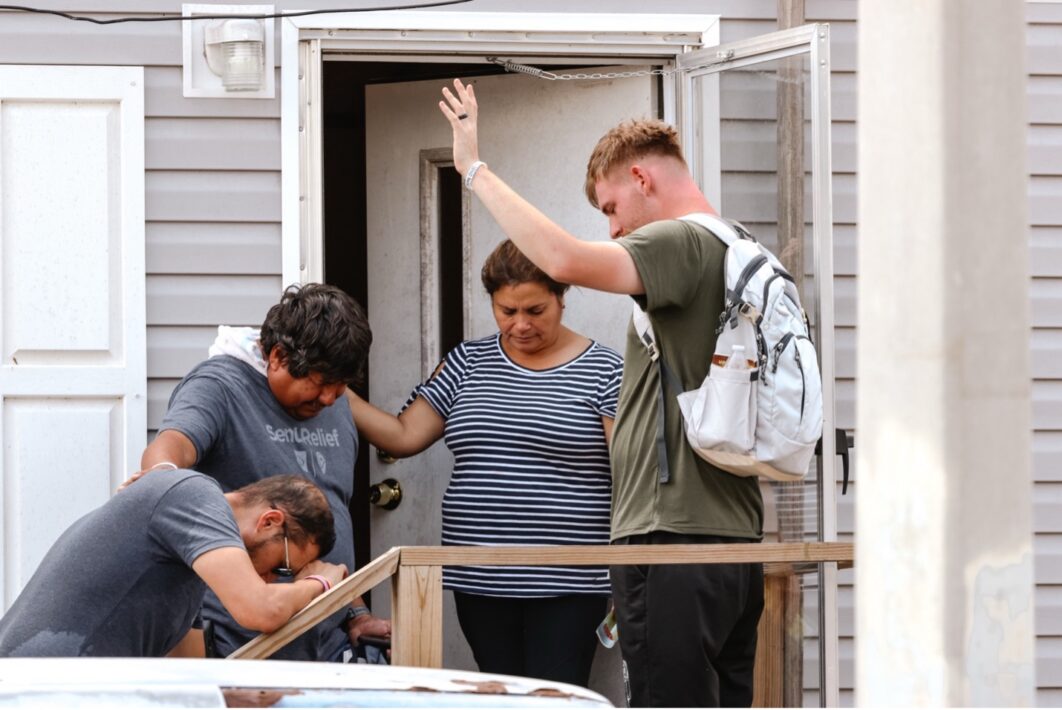
When your church steps into compassion ministry, it is not just about meeting needs. It is about showing your community what Jesus is like. When Jesus fed the five thousand, He cared for people in real and tangible ways, meeting physical needs while teaching about the kingdom of God with intentionality. He never separated physical compassion from spiritual truth. This is the model we follow when we reflect His heart to a hurting world.
The following principles can guide your church in starting compassion ministry that is both practical and respectful.
- Start by Meeting the Need
Matthew 8:14–16; Matthew 9:35; Mark 2:9–12; John 9:6–7
Begin with what is already in front of you. Pay attention to the people in your community and be willing to observe, listen, and respond. As relationships grow, long-term ministry opportunities will become clearer. Meeting needs can create space for sharing the hope of the gospel.
- Understand the Local Context
Luke 10:25–37
Ask God to help you see the people you serve as neighbors, not projects. Consider if you should start something new or come alongside an existing ministry already doing faithful work. Compassion ministry works best when it is shaped by local voices and grounded in humility.
- Treat People as Partners
2 Corinthians 9:10; 1 Thessalonians 2:8
The people you serve often understand their needs and communities better than anyone else. Listen well. Empower local solutions. Make space for shared leadership instead of offering outside answers.
- Commit for the Long Haul
Luke 14:25–33
Compassion ministry is a long game. It takes time, trust, and consistency. Prayerfully consider your capacity and commit in a way that honors both people and place.
Want to go deeper? The Call of Compassion, a short eBook by Send Relief Vice President of North American Ministry Josh Benton, explores how churches can turn these principles into long-term impact.