Illiteracy colors every area of the non-reader’s life with dark hues. I witnessed consequences of not reading well when I was a child, but I didn’t understand what I was seeing. Now, I look back and understand that illiteracy was a powerful, negative force in my family.
- People who can’t read at a functional level become dependent on coping mechanisms.
I once overheard my family members talking about how they had copied labels from food packages to match in the store, but most of the packaging had changed, so they didn’t know for sure if they got what they wanted. Some strategies effectively conceal illiteracy while others barely mask it. Nonreaders must develop listening skills and a superior memory to survive each day. - Non-readers often live in isolation.
They avoid going to new parts of town because they can’t read signs or directions. They miss intimate moments with children and grandchildren because they can’t read with them. They ignore what they can’t read—everything from manhole covers to notes from their children’s teachers. They don’t work with others if there is risk their illiteracy will be discovered. They don’t go where they may be asked to read aloud, including Bible study. - Illiteracy leaves one vulnerable to deception.
Many trust few people with their secret, including family members, since even they could take advantage of one who does not know how to read. Non-readers are often deceived financially by unethical advisors. When they live on a cash basis, they are at the mercy of those who cash their checks. Spiritual charlatans find the illiterate easy prey because they can’t verify for themselves what they are taught. - A non-reading life creates fear.
There’s a fear of discovery, failure, and new experiences. “What’s the correct dose of medicine to give a child?” “How will I know which bus to take?” “What’s in that letter from the government?” “Who can I trust?” Fear is the binding agent in a non-reader’s life that keeps him or her paralyzed. - Low self-esteem plagues the illiterate.
In their own eyes, not reading makes them not good enough. They feel unworthy of love and respect. Even low-functioning readers question their ability to contribute to their homes, communities, and churches. The ability to read re-colors their world with shades of hope.
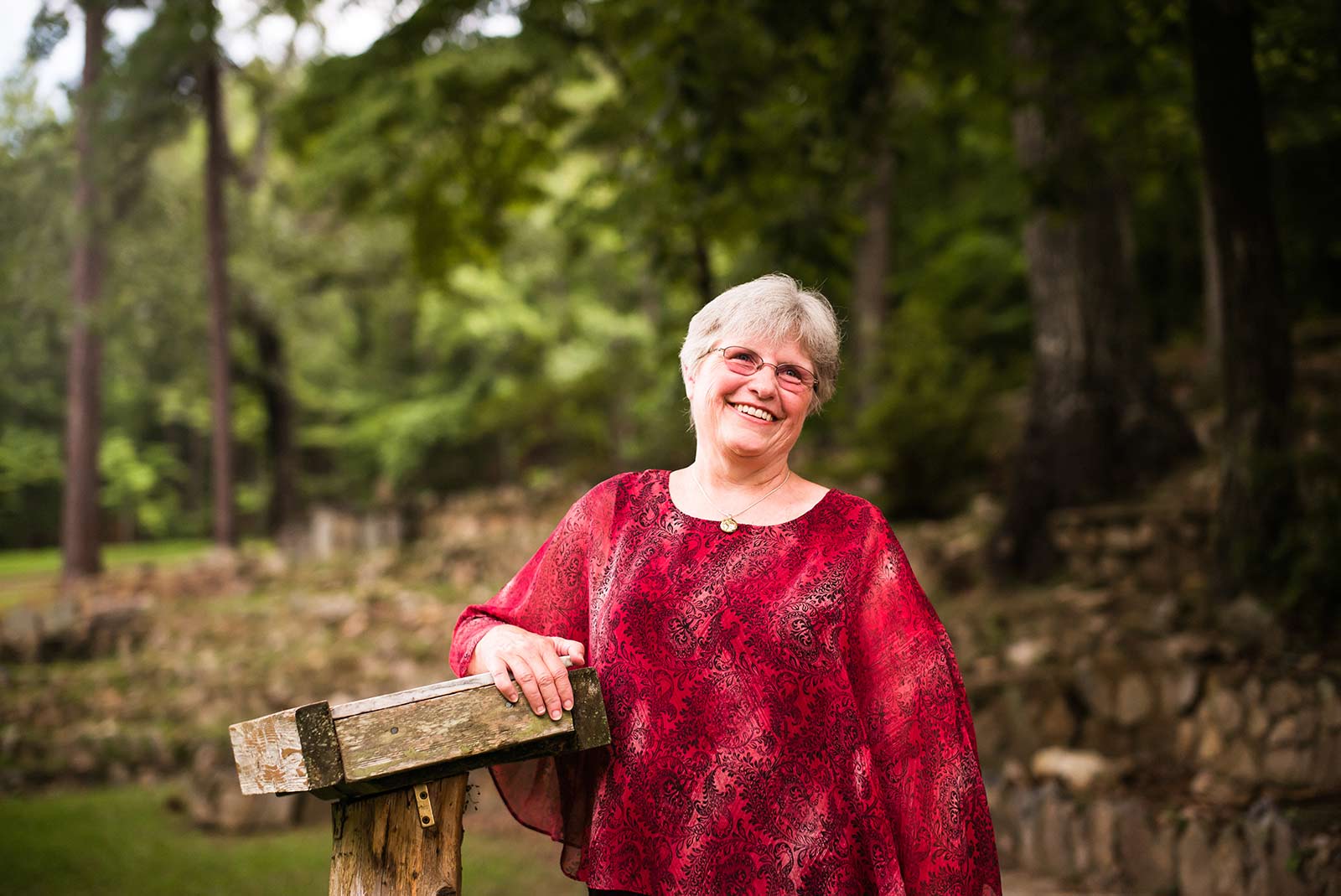
Claudean Boatman is coordinator of the National Literacy Missions Partnership that trains churches to help adult low-level readers, struggling students, and internationals to speak English.